Genuine Righteous Clothing: The Way Buyers Can Identify the Genuine Article
Wading through a saturated field of imitators, resellers, and outright counterfeits is what shopping for streetwear in 2026 means. We Are Righteous has earned a reputation on thoughtful design and no-nonsense construction, which unfortunately makes it a magnet for being counterfeited. This checklist walks you through the tangible details that separate a genuine Righteous piece from a knockoff, so you can shop with confidence whether you’re buying your first hoodie or building out a full wardrobe of righteous apparel.
Over-the-top brand loyalty isn’t the aim; this is about keeping your cash safe and getting the product you paid for. Fakes almost never a counterfeit garment hold its shape, colour, or stitching past a few washes, while it lacks the same substance — physically or symbolically — as something produced with genuine oversight would. Here’s a breakdown of what to verify prior to purchase further down, plus what to inspect once the package arrives.
Begin From the Origin
Far and away the surest way to confirm you’re getting authentic righteous garments is to shop directly through We Are Righteous or from a retailer officially sanctioned by the brand. Every seller isn’t necessarily dishonest, but secondary resale platforms stand as the riskiest channel, since authenticity-checking grows harder the more times an item gets resold. When a listing offers no clear information about the seller, no policy on returns, and a price that seems unrealistically cheap against the brand’s usual pricing, treat it as a warning sign rather than a lucky find.
Review the seller’s history if you’re shopping for pre-owned items. Red flags point to a vendor handling numerous items spanning unrelated brands, paired with vague photos and stock images used rather than real product shots — a typical giveaway among counterfeit operations. Legitimate sellers — individuals reselling genuine items among them—will https://yourighteous.com/ typically offer photos of the actual item, including tags, care labels, and stitching close-ups. If those are missing, ask for them before finalizing the purchase.
It also helps to go through a few honest write-ups. An independent we are righteous review — not the label’s self-published marketing — often mentions concrete details like the weight of the fabric, comments on size accuracy, or wash behaviour which knockoff makers seldom take the trouble to copy. Should a righteous review keep pointing to the very design elements you’re spotting on the item you’re weighing up, that’s a reassuring sign of consistency across genuine stock.
Look Closely at the Garment Up Close
After the item arrives and you can examine it, the material itself tells you most of what you need to know. Generally, authentic Righteous hoodies rely on thick cotton fleece, sitting in the 350-450 GSM range, depending on the particular design. Anything noticeably thinner, flimsy, or see-through under normal light should raise suspicion, especially if it was sold as a premium-weight piece.
Not everyone appreciates how much seam uniformity makes a difference. Turn the piece inside out and scrutinise the seams near the cuff, hem, and hood-lining sections: genuine batches exhibit consistent seam size, bolstered stress points at the pouch pocket, and no dangling threads inside. Since uneven seams save time and money, knockoff makers frequently cut corners, whereas even seams require superior machinery and checks.
Check the cords and fittings next. Authentic pieces use drawstring aglets and eyelets that match the rest of the garment’s finish — no mismatched metal tones, no unravelling drawstring ends, no plastic components that feel cheap and fragile. Zippers, where present, should glide smoothly without catching, and any embroidered logos should sit flush against the fabric without puckering.
Lastly, test the aroma and feel of the fabric. Authentic cotton fleece has a neutral, slightly earthy scent when new, while inferior fake materials often reek of chemicals from low-grade dyes or synthetic fillers. It’s a minor point, but experienced buyers use it constantly because it’s tough for knockoff producers to mimic consistently.
Examine the Branding Closely
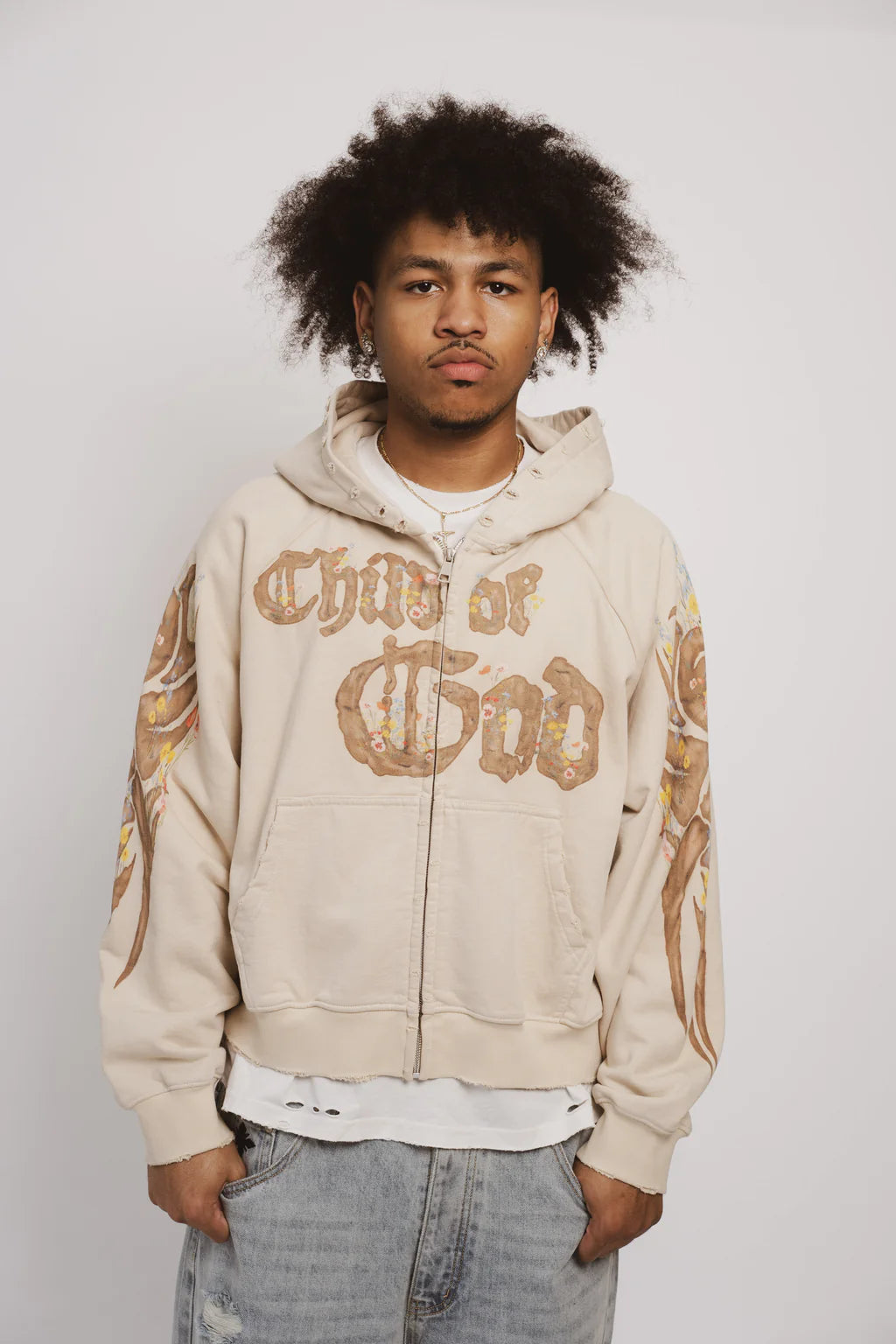
Branding is the area where fakes most often fall short, because reproducing exact proportions and placement takes attention to detail they typically skip. On authentic righteous clothing, the embroidered or printed wordmark sits at a matching size and location across a given style run — compare product photos from the official site against what you’ve received if you have any doubt.
The boldness and spacing of the lettering are quick indicators. A fake wordmark often looks somewhat distorted in width or inconsistently kerned, because it’s typically redrawn by hand instead of sourced from the true vector artwork. Authentic labels also list matching material content and washing guidance that match what’s listed on the product page at the time of your purchase — if the label says anything far removed from the online description, that’s a red flag worth investigating.
Presentation of the shipment is another factor. Purchases through We Are Righteous typically arrive with matching brand-consistent touches — poly mailers or boxes, tissue or tags reflecting current-season branding, and an invoice or packing slip matching your order confirmation. A plain, unbranded bag with no documentation doesn’t automatically confirm a counterfeit, but paired with other warning signs, it becomes significant.
Weigh the Differences Before Purchasing
If you’re doubtful about a listing’s authenticity, running through a side-by-side comparison often clarifies things quickly. Below, the table breaks down the main contrasts buyers typically report between verified authentic Righteous pieces and counterfeit or misrepresented listings.
| Thing to inspect | The Real Righteous Apparel Item | Common Counterfeit Signs |
|---|---|---|
| Cloth density | A sturdy fleece fabric, roughly 350-450 GSM depending on the specific style | Thin, lightweight fabric that feels inconsistent with listed weight |
| Stitching | Consistent stitching, reinforced at high-stress points, with no loose threads inside | Inconsistent stitch spacing, loose threads, and seams that are missing reinforcement |
| Emblem positioning | Uniform sizing and placement that lines up with the official product photos | Lettering that’s a bit off-centre, stretched, or inconsistently spaced |
| Delivery packaging | Branded mailer or box with matching invoice/order confirmation | Packaging with no logo, absent documentation, and inconsistent order information |
| Seller history | Verified retailer or official We Are Righteous storefront | An unverified marketplace profile using vague or stock images |
Though far from exhaustive, this list capture the checks that come up repeatedly in genuine we are righteous brand feedback and customer discussions. If a listing fails two or more of these checks simultaneously, it’s worth pausing before you complete the purchase.
Read Reviews Critically
All reviews aren’t equal, which counts for a lot when verifying the legitimacy behind a righteous clothing brand purchase. Look for reviews that mention specific, checkable details — exact fit notes, fabric behaviour after washing, or comparisons to previous seasons’ releases — rather than generic praise like “great quality, fast shipping” with no substance behind it.
Video reviews and unboxing content tend to be harder to fake convincingly, since they show the garment in motion, under different lighting, and often include close-ups of tags and stitching. Verify any written we are righteous review against at least one other independent source before fully relying on it — this matters even more if it’s unusually short or strangely upbeat without substance.
Likewise, watch for complaints that keep coming up. If multiple reviewers mention the same problem — say, sizing running large, or a specific colourway fading faster than expected — that’s useful, legitimate feedback about the authentic product rather than a counterfeit issue. Distinguishing between “this is a real quality concern with the brand” and “this is evidence of a fake” is part of reading reviews critically.
Final Checks Before You Commit
Before finalising an order, go through a brief mental checklist: is the seller verified, does the price align with the brand’s established range, do the photos show real stitching and tag detail, and does the description match what shows up. None of these checks take more than a few minutes, but together they dramatically reduce your risk of ending up with a counterfeit.
If lingering uncertainty follows a purchase, get in touch with the seller or the label itself with well-lit pictures of the product, its tags, and the packaging. A trustworthy retailer won’t shy away from a direct question about authenticity; a dodgy or guarded reply tells you something on its own. Shopping wisely doesn’t have to be complicated — all it takes is attentiveness to the things that actually matter.
Leave a Reply